After Queenstown we were hoping to finally see Mount Cook (Aoraki). New Zealand is strange, for lots of reasons, but this time I’m talking about the roads. As we drove down the West Coast we were very close to Mount Cook, but to get to Mount Cook you have to access from the East Coast. Therefore, we had been down past Franz Josef, through the Haast Pass, down to Wanaka, Te Anau, back to Queenstown and heading North before we were on the other side of the Southern Alps. So, why had we not seen Mount Cook before. There were a few reasons, but mainly it came down to the weather. Clouds usually covered the peak of Mount Cook and it also made it very hard to distinguish amongst the other mountains. We may have seen it before and not even realised. Mount Cook is the tallest mountain in New Zealand standing at 3764m.
We left from Queenstown and drove towards Mount Cook Village, about 4.5 hours away. We made 2 stops on the way, the first being at Omarama Clay Cliffs. We were pleasantly surprised by the Clay Cliffs, which made you feel like you were in a giant sand castle.


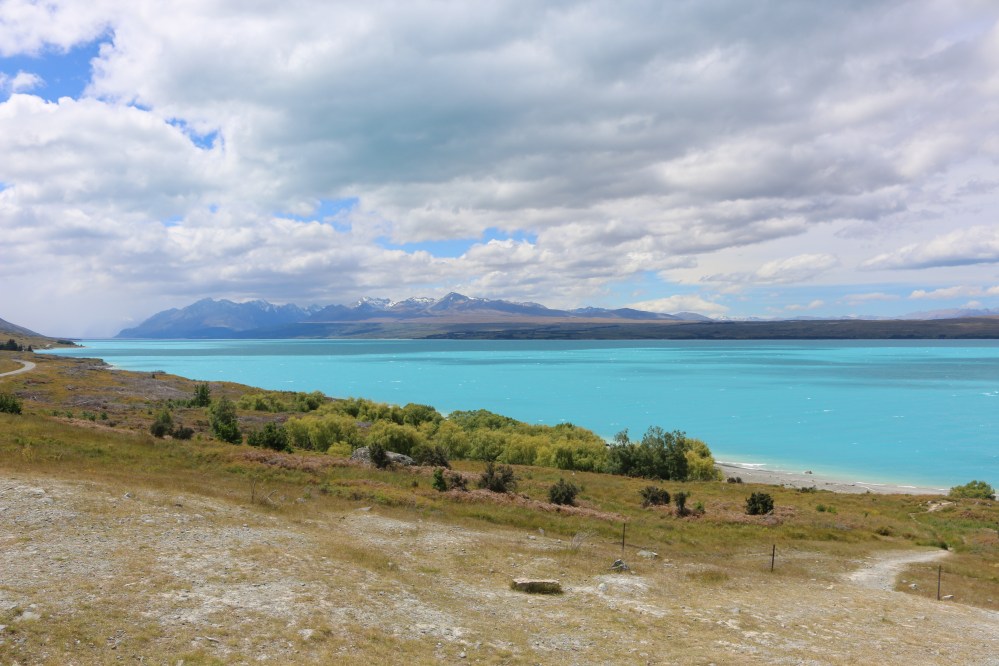
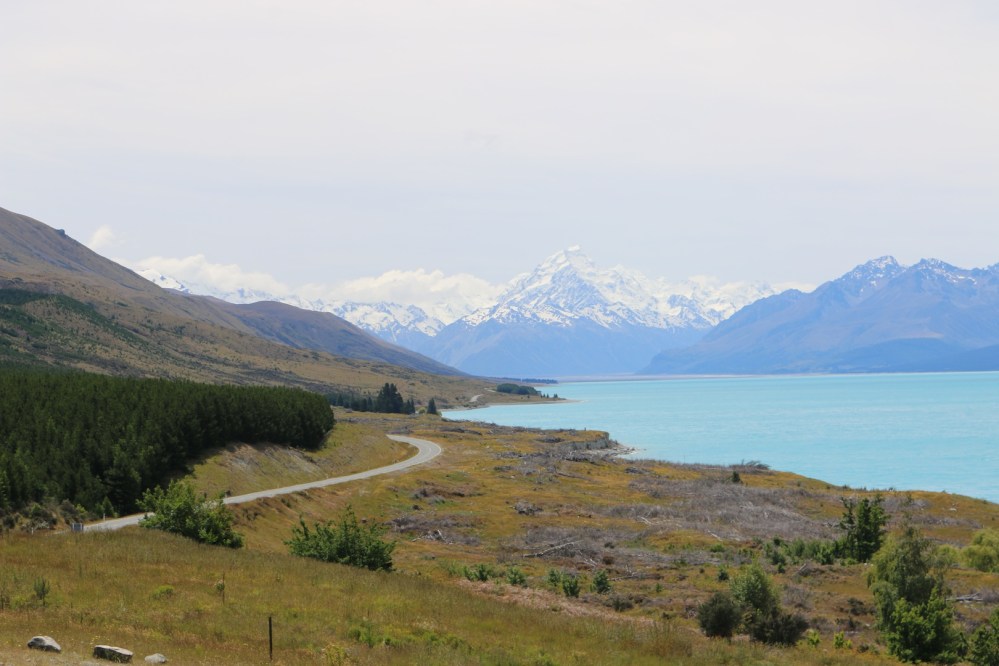
Our second stop was at Lake Pukaki where the water is so blue and gorgeous. It’s the same as some of the other water we’ve seen where the blue colour is created by the glacier waters and rock flower which sink to the bottom. The weather was starting to change so we still couldn’t see Mount Cook, but we were still hopeful.

When we got to our department of conservation campsite the weather got even worse. The Hooker Valley walk that we had planned to do was going to have to wait. See that grey area on the left middle of the picture above… there’s where we were. Maverick was blown around like crazy all night and the rain on the car made such loud noises. Somehow though, we slept.
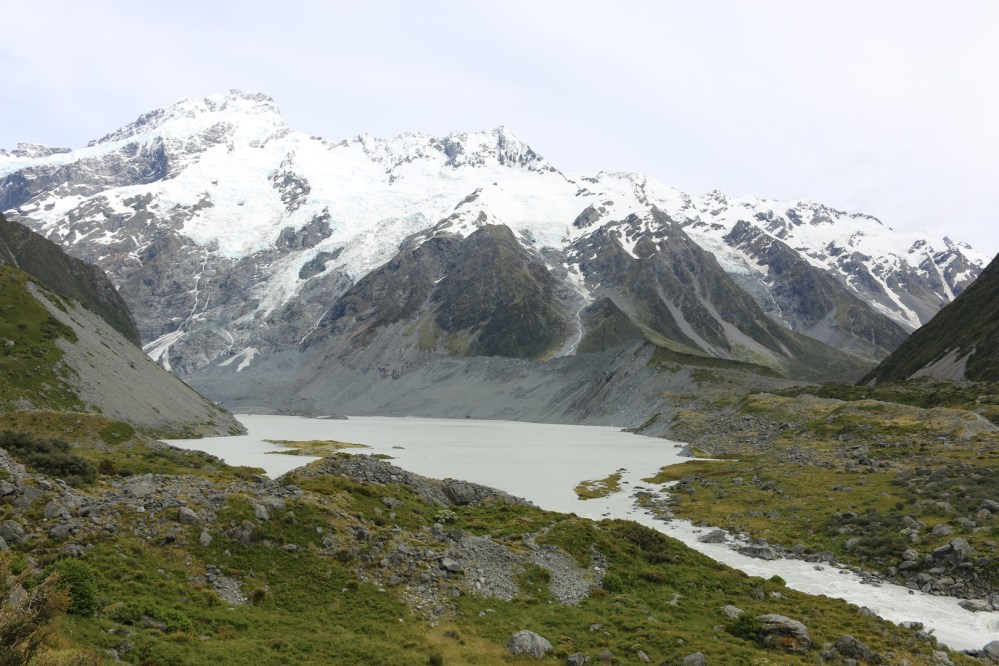
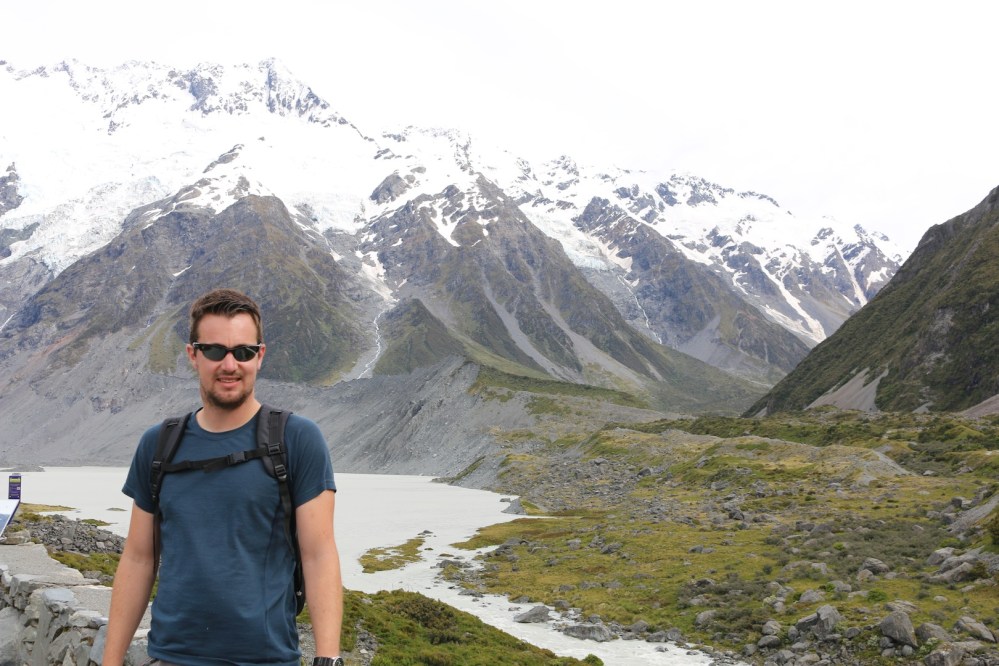
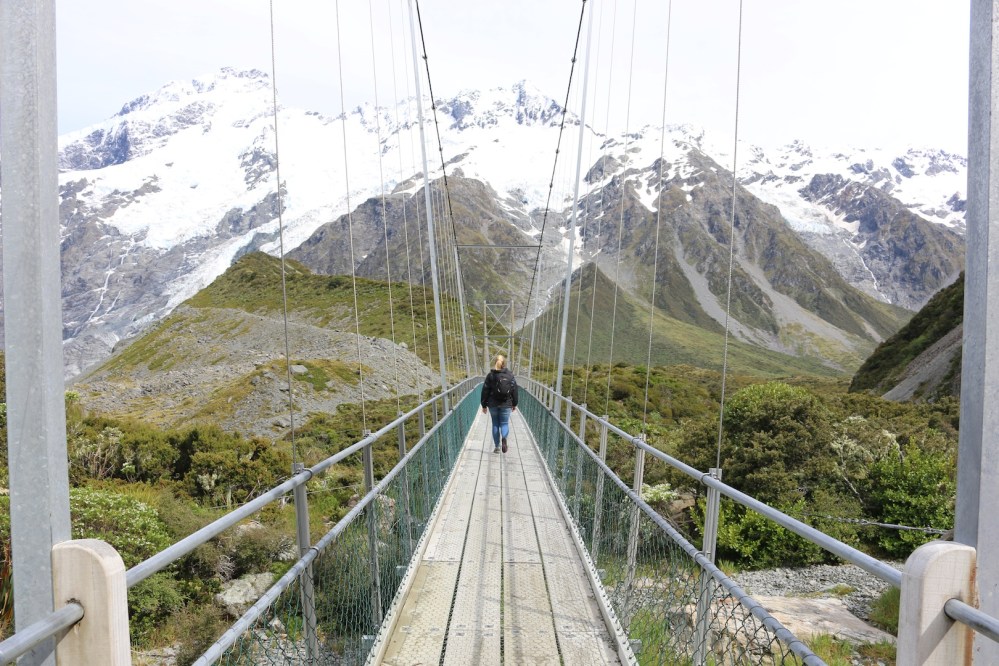
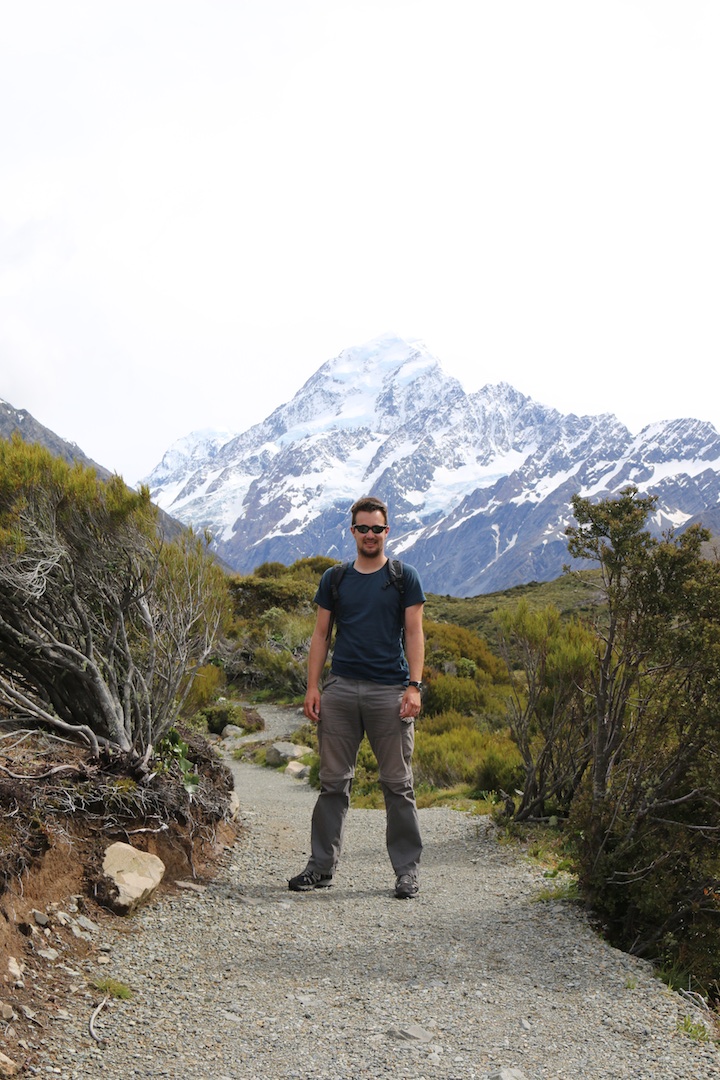
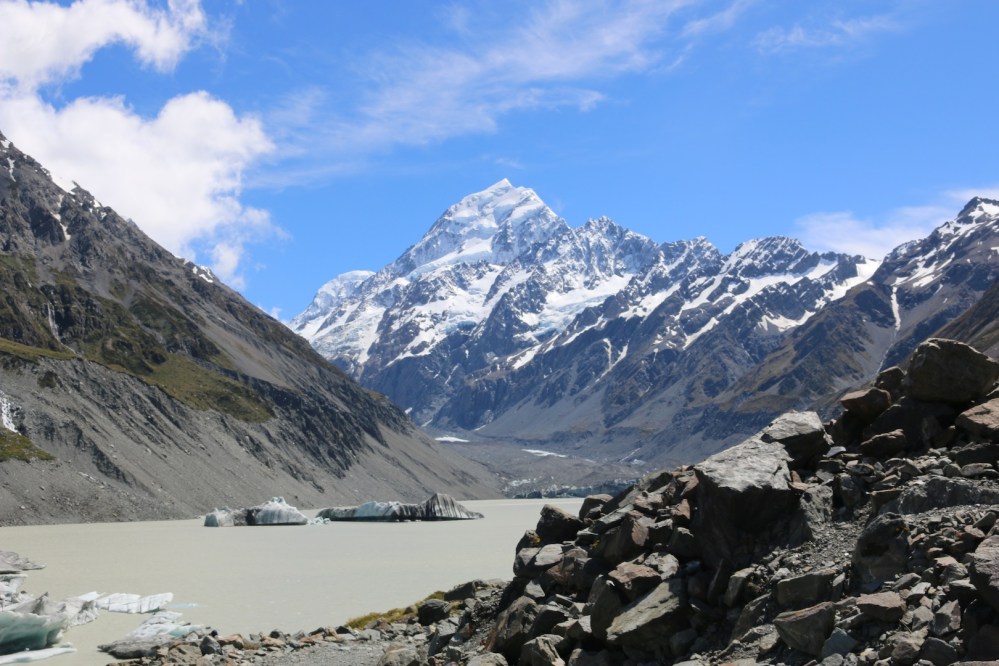
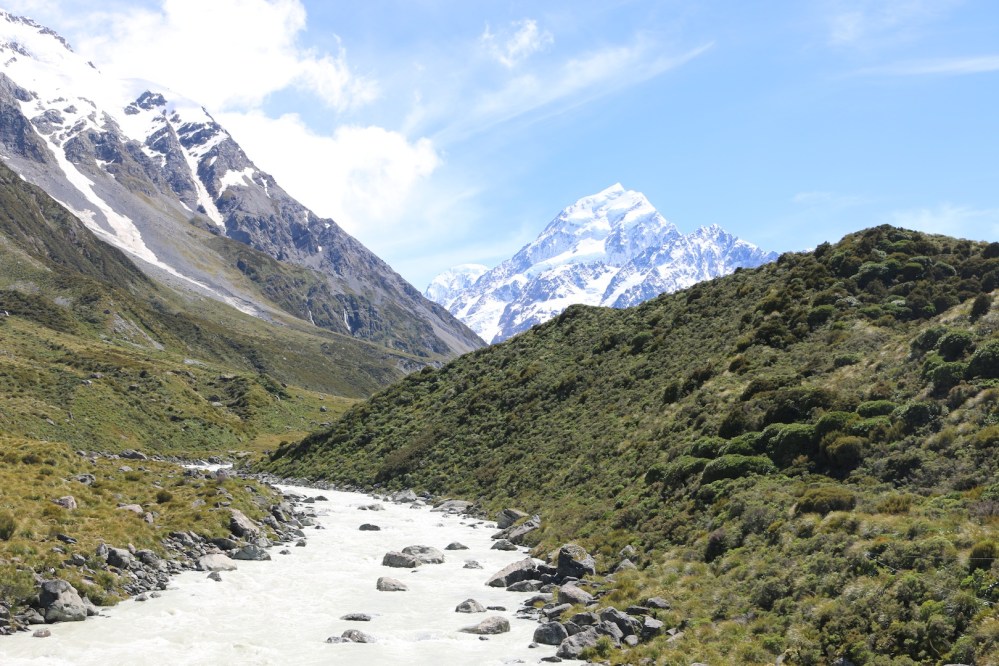
The next morning we woke to complete the Hooker Valley walk. The walk was going to take us over 3 suspension bridges right up to the glacial lake in front of Mount Cook. The lake still has icebergs in it even in the Summer. An amazing site. The weather was OK on the way out, but the sky cleared for us on the way back and we finally got to see the elusive Mount Cook in all it’s glory. The walk took around 2 hours and was brilliant.





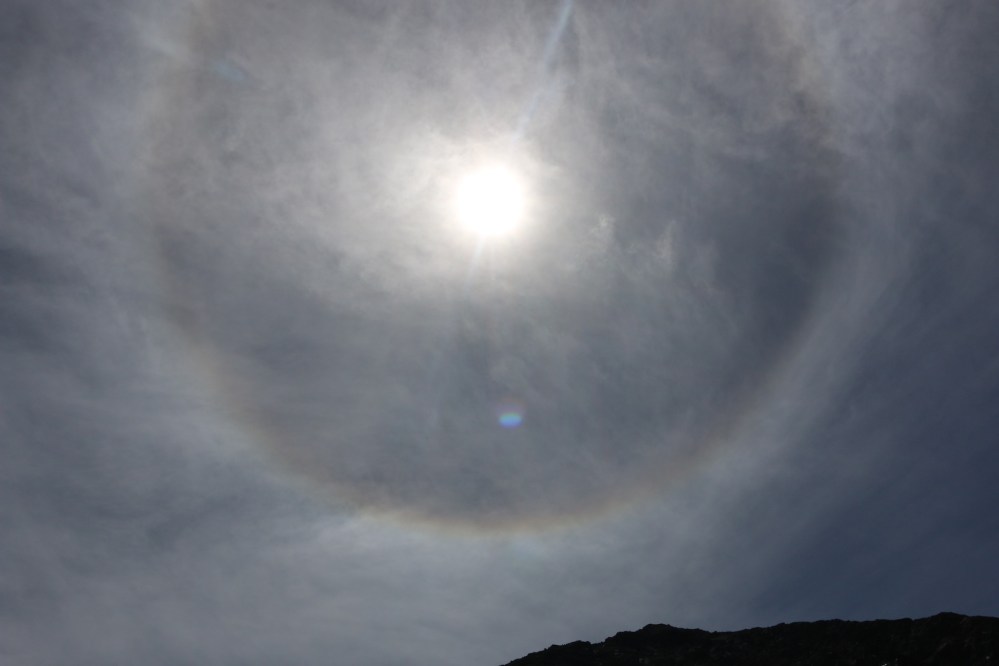 We saw this halo around the Sun created by ice particles in the atmosphere. It was a cold night!!
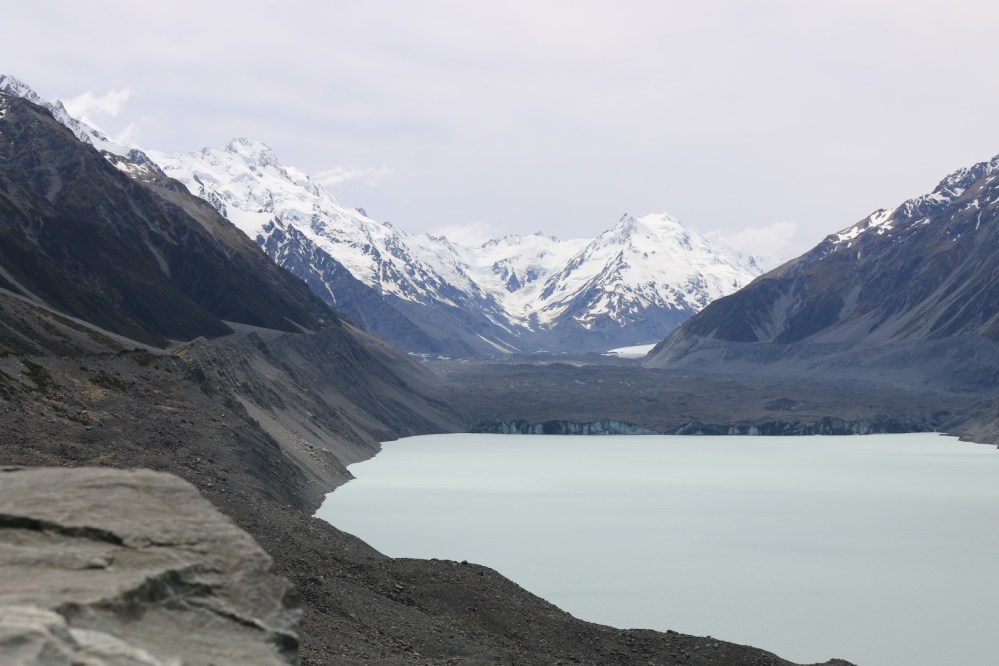
After the Hunter Valley Walk we had one more walk to do in the area before heading to Lake Tekapo, the Tasman Glacier Walk. The walk didn’t take us long at all, but was completely up hill. Once at the top we had some amazing views of the Tasman Glacier, which is retreating at a scarily fast rate, and of the blue lakes (which are actually green). It was a very peaceful spot.


We drove back along Lake Pukaki as we headed to Lake Tekapo. The blue in the lake was even more impressive than the day before (honestly, the pictures don’t do it justice).
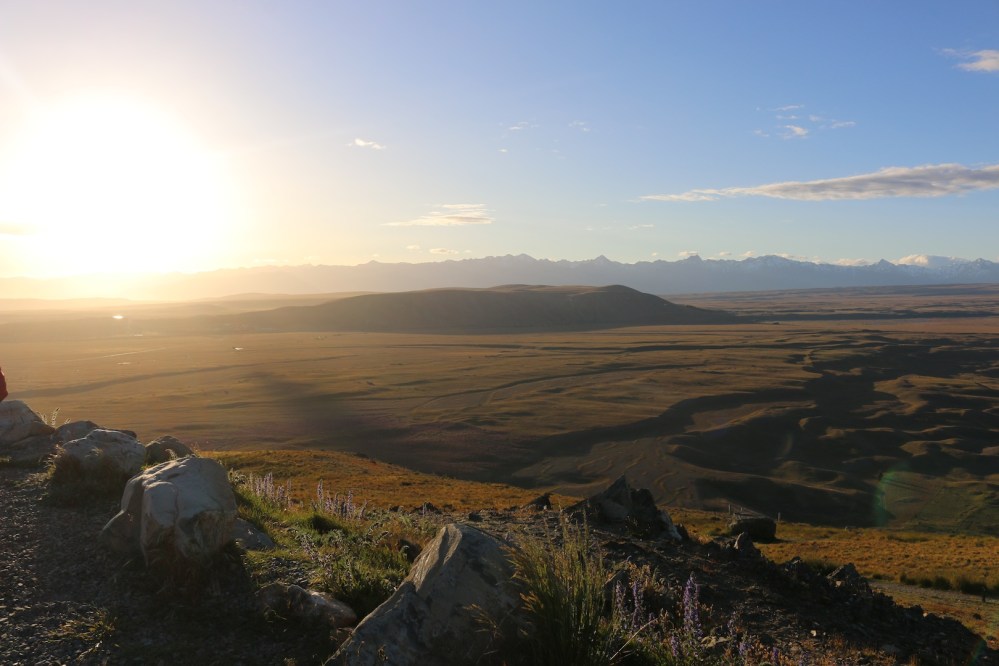
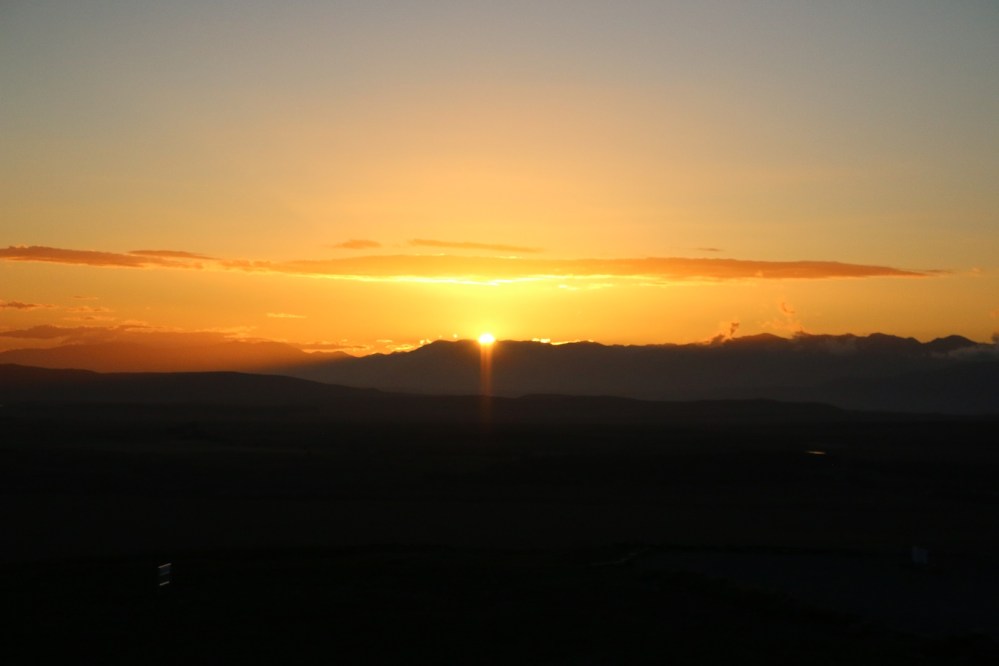
That night in Tekapo we headed up to Mount John Observatory (the largest in New Zealand) for a tour of the facilities and to see the sunset over the Southern Alps. Unfortunately, it didn’t quite get dark enough for us to see many stars while we were up there, but we did see Sirius and Venus through the telescopes.





The next day we were driving to Akaroa in hunt of the smallest and rarest dolphin. Did we see them? Tune in next time!
 Simon and Becky's travels